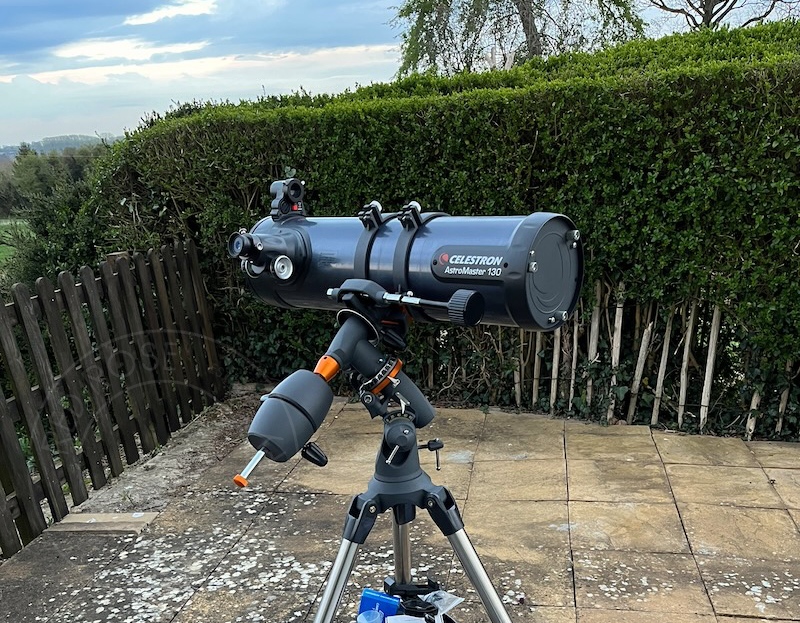
Back in 2011, I received a Celestron AstroMaster 130 as a Christmas gift. I used it a few times, but never got on particularly well with it and my interest soon fizzled away. I've since learnt that this is fairly common for scopes like these (hobby killers!), as their steep learning curves put off many beginners such as myself. Anyway, the hectic social life of a twenty-something year old soon took over and that was the end of my brief flirtation with astronomy... for a while.
Ten years later
Over a decade later, I was sorting out some stuff at my parents' house when I found the AstroMaster. As the forecast for the night was good, I thought it would be a great opportunity to indulge in a bit of nostalgia and give astronomy another go. Thankfully, times have moved on and now it's very easy to find all the info online for how to setup a telescope like this. So, armed with a heavy dose of newly-acquired Youtube knowledge, I got everything set up for a night observing the skies.
Whether it was the extra patience that comes with being slightly older, the fact that I had a rough idea what I was doing, or the ease of finding things with a mobile phone app, I was pretty much hooked straight away.
The Moon, Jupiter, Saturn, double stars, globular clusters... Each time I aimed the telescope at a new target, I was in complete awe. Although only a basic scope with limited capabilities, it kept me entertained and enthralled for hours.
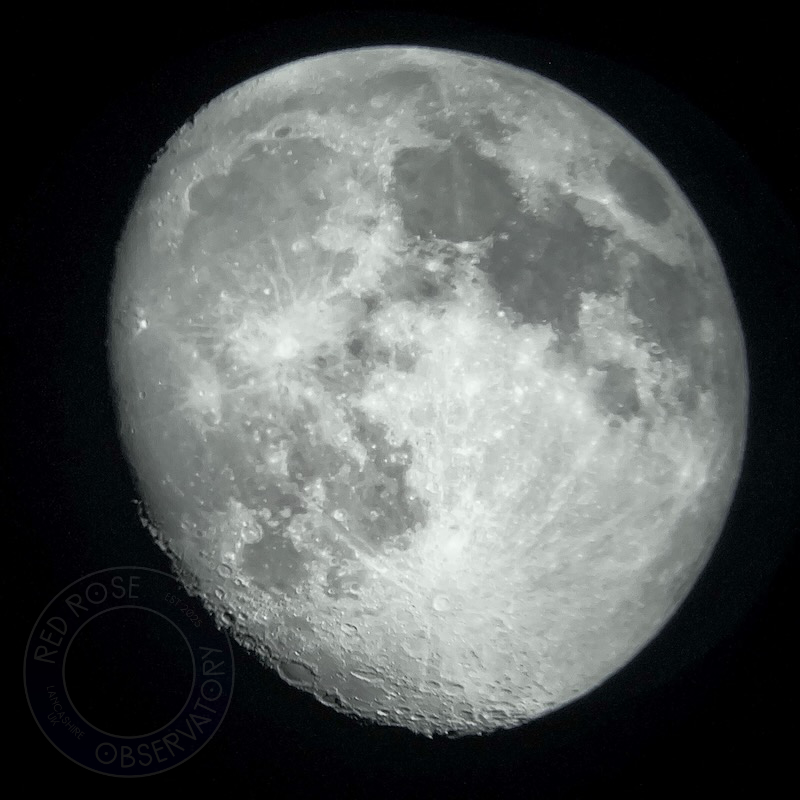
I was even able to get a few shots of the moon just by pointing my phone camera down the eyepiece and was amazed at how well these turned out.
It didn't take much longer before I was scouring the internet for a better telescope.
Upgrading
After a bit of searching on Facebook Marketplace, I found a second-hand Celestron Nexstar 6SE for sale. This came with a selection of eyepieces and a go-to mount, so everything I needed to get started. After a quick trip down to Stafford to collect, I was ready to explore the capabilities of this popular telescope.
Unfortunately, we lived in a house near an industrial estate with an enormous amount of light pollution (including a streetlight directly above the garden). So, it wasn't ideal. But, the Celestron 6SE kept me entertained for many nights and before long I had also bought myself a planetary camera (a ZWO ASI462MC) and started getting quite into the astrophotography side of things.
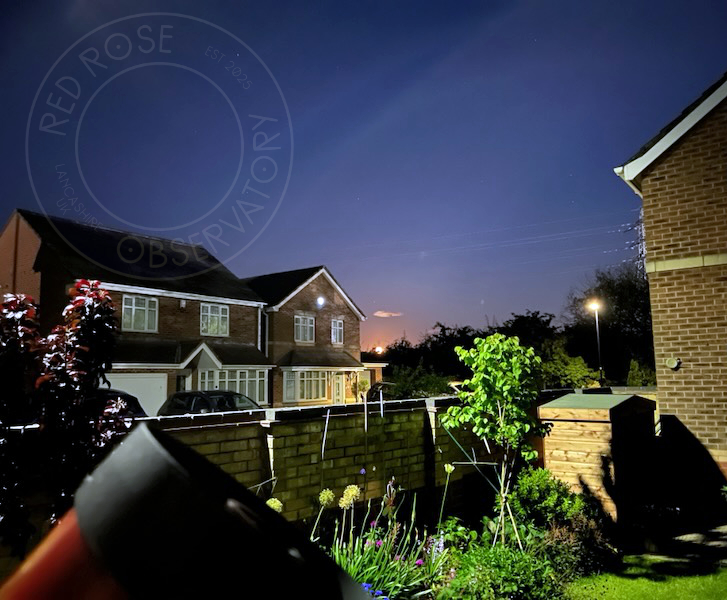
As I read up more and more online, I started to see that a number of people had built themselves observatories. This seemed like a fantastic idea, as moving all of the equipment onto the decking each night and then putting it away in the morning was one of the worst parts. But, the garden was too small for anything like an observatory. And with the insane amount of light pollution, it would have never been worth the effort.
So, that remained firmly in the "a man can dream" part of my brain.
Life changes
Having outgrown our first home and wanting somewhere a bit more rural, my girlfriend and I eventually found a house that we both liked and so a house move was on the cards. This put an end to any astronomy for a while, as we were too busy moving and renovating. But, the new house had a few distinct advantages:
- No streetlights
- No nearby industrial estates
- Mostly unrestricted views of the sky
- A garden large enough to accomodate something like an observatory, far enough away from the house
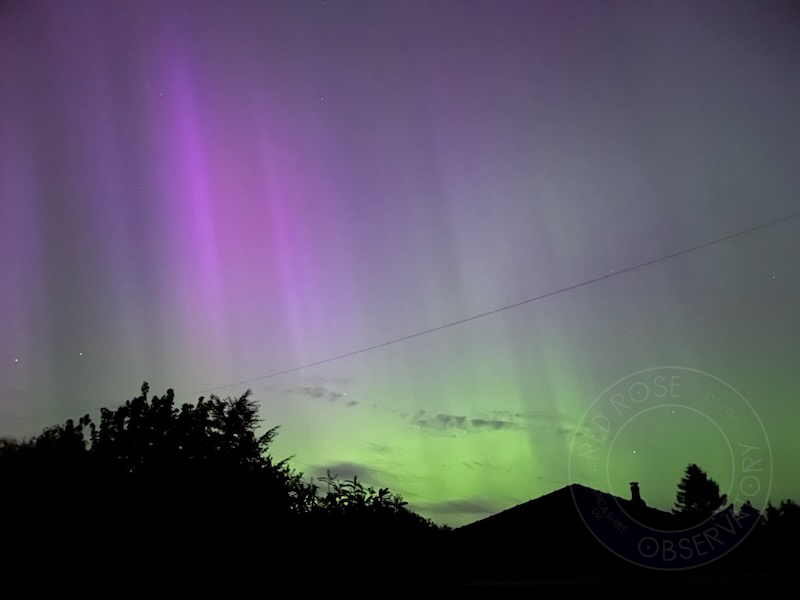
So, the idea of building an observatory suddenly started to become a bit more realistic. The prospect of being able to go down the garden and start using the telescope without spending almost an hour setting up each time was just too tempting.
Researching home-made observatories online, I realised that to build one would be firmly within my abilities (as a competent DIYer). So, planning started in earnest. Sadly, due to the amount of work required on the house, this planning would have to remain firmly in my head for quite a while...